

The Odd One In: Notes from a Non-Tech in a Tech World
Being the only woman in a team of men is not a disadvantage unless you allow it to be framed as one. It is a different vantage point. That difference, used well, has been my leverage.

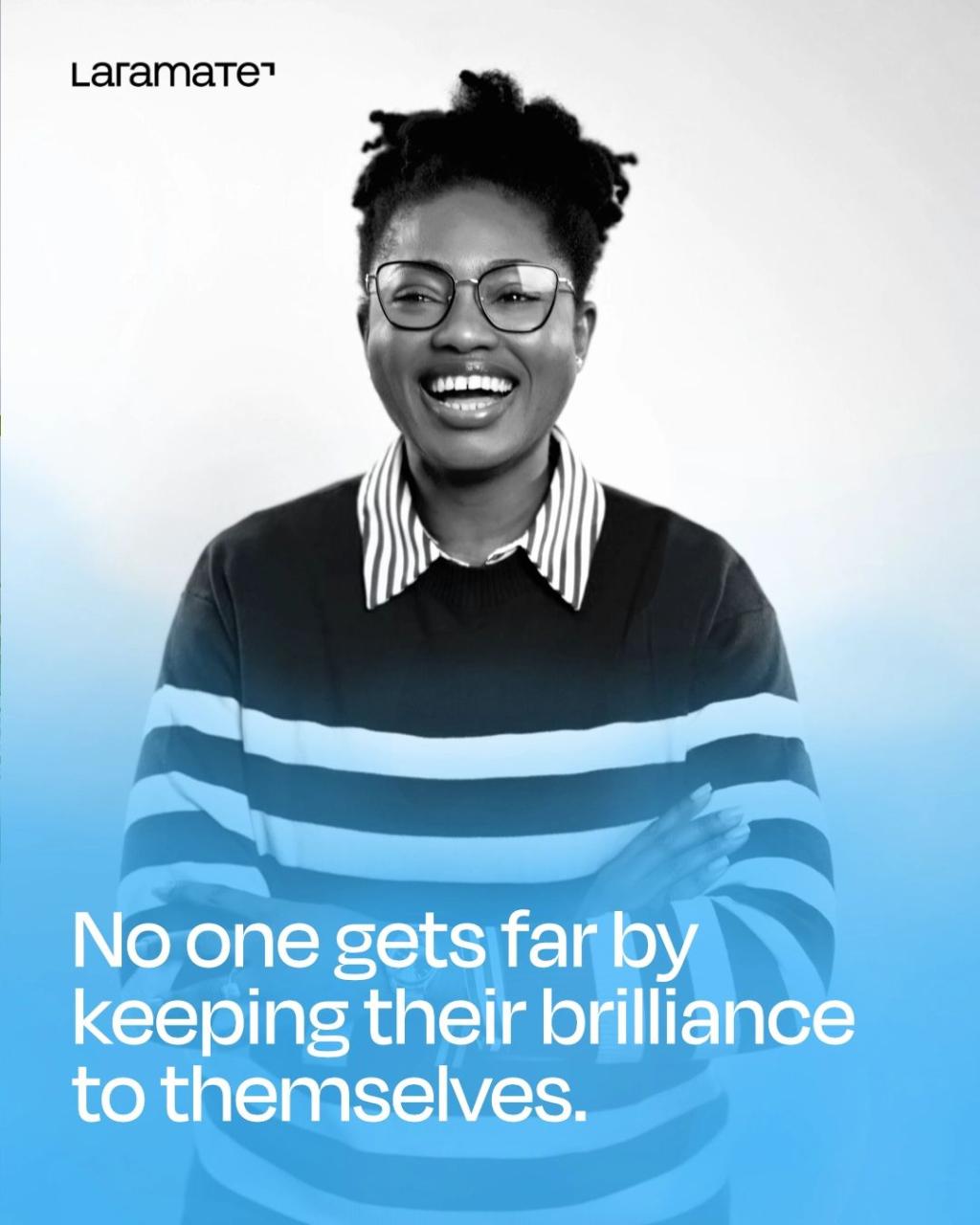
Irrespective of our career paths, we are mutually complementary. And for a non-tech, tech has been nothing short of fascinating.
I am starting off on this premise to encourage anyone on a career pivot or reinvention to pursue and embrace the stretch of learning.
Right into my first week at a software company, the word enough, did not leave me for a long time. Was I technical enough ? Tech, programming? How do I figure it out? Was I experienced enough? Did I belong here at all?
I am a non-tech professional. My degrees are in English Modern letters, Translation, Development Work, anchored by an MBA in Corporate Social Responsibility & NGO Management. Before joining the tech industry, my CV read, to many recruiters, as scattered with roles in reporting, translation, project management, and public relations across different sectors. Feedback I consistently received was that my experience lacked a clear thread. With that, I struggled to present myself. I questioned myself but refused to give up. I simply kept going. What could be worse, I asked myself? Not learn from opportunities outside my scope or wait until there is a 10-year gap in my CV for which I will squarely be scrutinized for? And then, Laramate GmbH saw what I brought to the table, and gave me a chance.
That chance changed everything in me in ways I am still discovering.
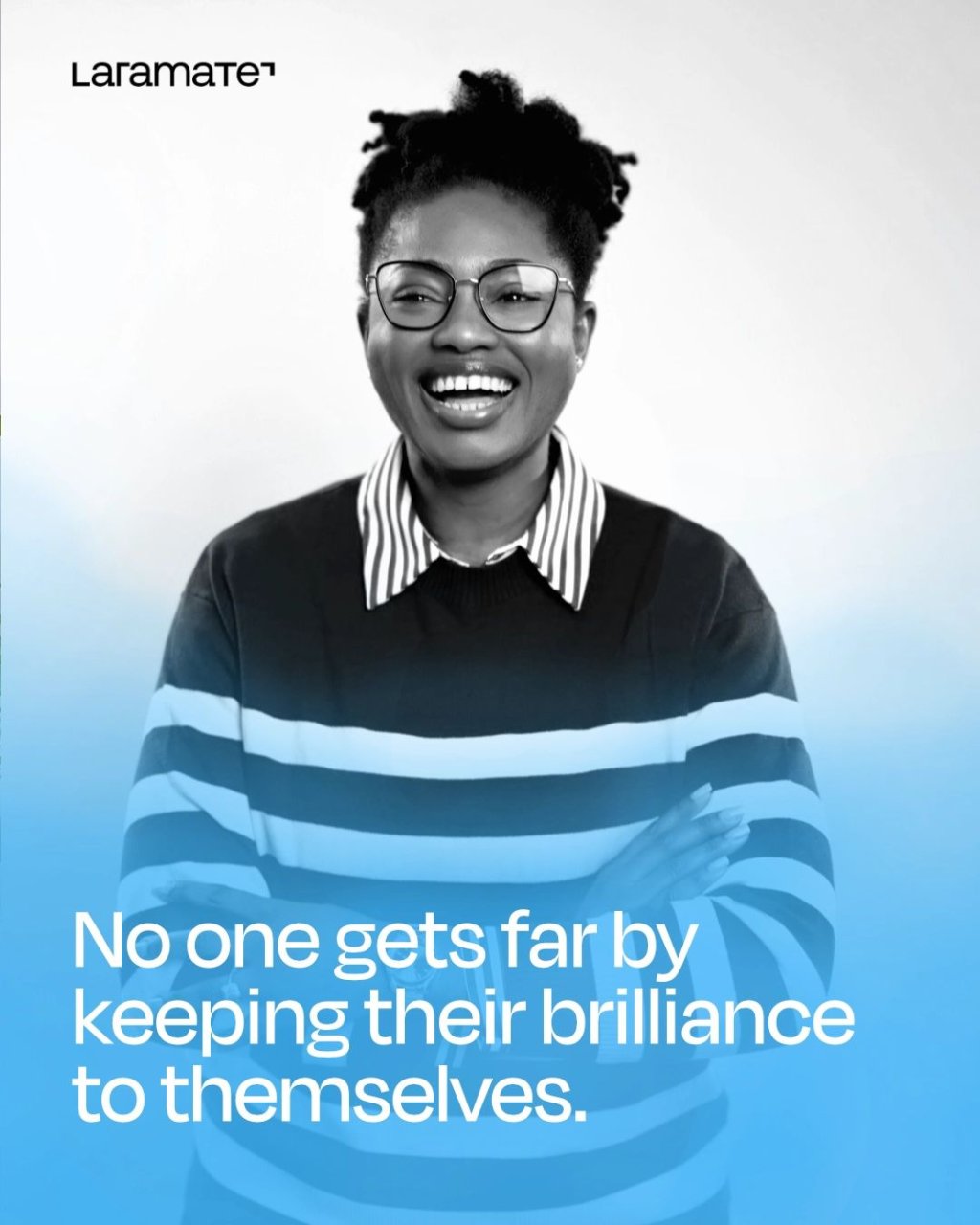
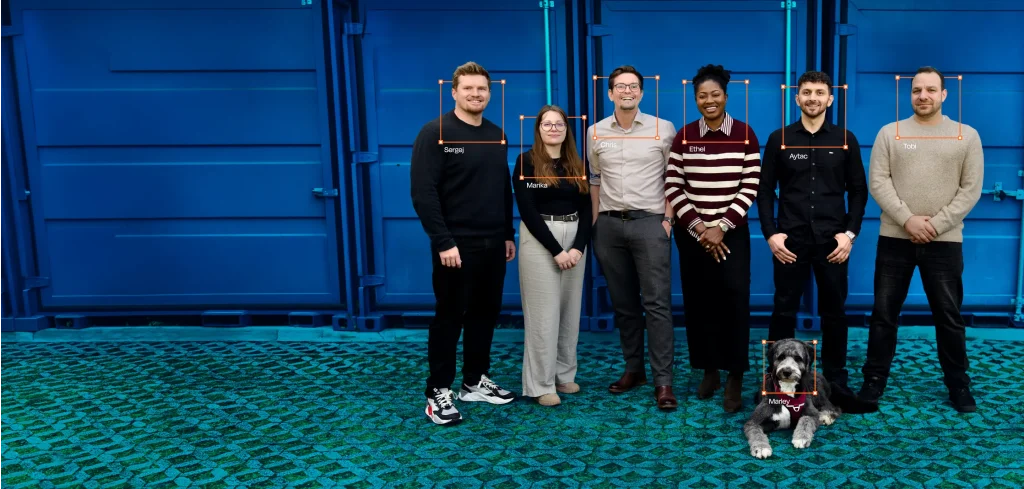
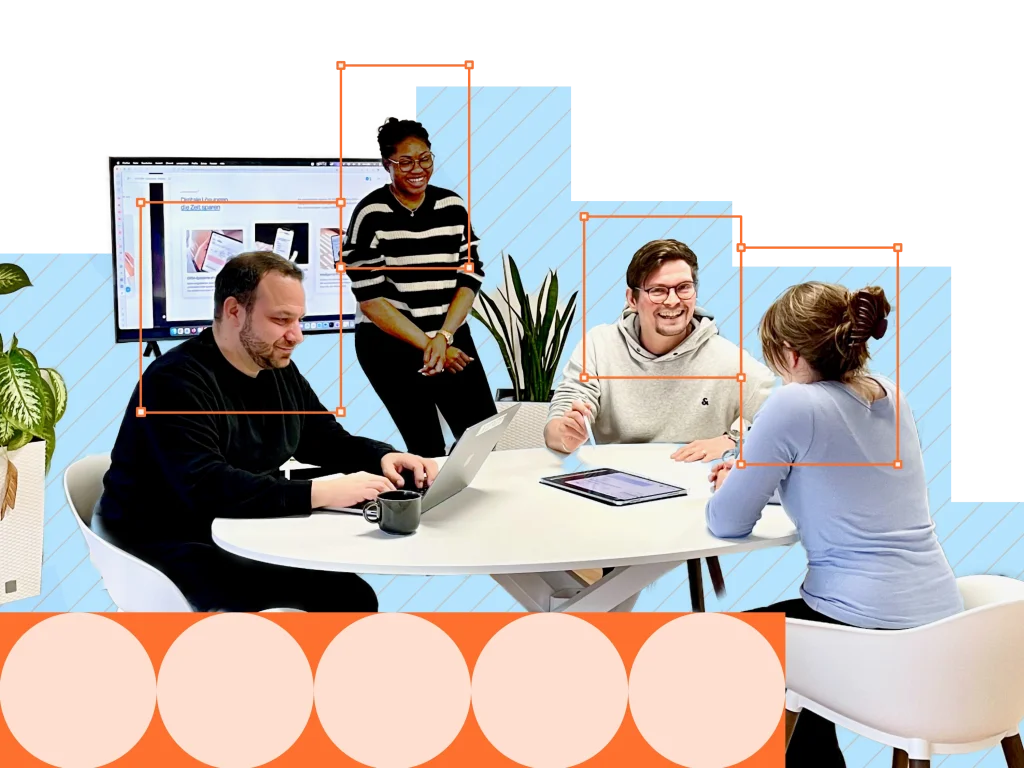
When I joined, I was the only person on the team coming from an interdisciplinary background. I was also the only woman. Being aware of both, I chose to let neither define the contribution I was there to make. The environment was, and is, predominantly male. This is not a complaint. It is a context and neither will I frame this as a debate. Women in tech vs. men in tech is not the conversation I want to have here, because it is not the one I have lived. Rather, I joined a team (small team) of excellent men with sharp minds and genuine expertise, and we have since complemented one another. Their technical depth met my interdisciplinary breadth.
There was a genuine need for what I could offer; my ability to communicate what a company does, to shape a narrative: the company’s mission and vision (about us, brand voice and image), to write with precision and purpose, to translate complexity into clarity (technical depth into relatable language).
This need is central to my tasks as it sits at the intersection between technical knowledge and a non-technical audience.
That was the opening, and I walked through it. Here on, the learning curve required a lot of work; willingness to learn, adapt and be receptive to critique, and that was enough to begin.
Pulling back the curtains a little bit, my in-between period was quite daunting, especially entering a purist field like software engineering: first, being non-technical, and secondly, feeling the weight of imposter syndrome. I quickly felt I was left out in a pack of people who speak the same language (programming) and I did not. I double-checked my own thinking more than I should have. I sometimes put my instincts aside in favour of reassurance. Importantly, in those moments of second-guessing, I had to position myself and raise my pitch, asking rather than assuming. I asked questions because that is how you earn your way forward by eliminating any misunderstandings.

I was heard. I was respected in my work. Oftentimes I was called forward for putting in more work hours than required, and yet I sat with myself countless times and acknowledged I needed to put in the work to deliver on my tasks, and I did just that, in a space where conditions for learning, being corrected, and career development was created.
It goes without saying tech is a predominantly male-dominated industry but does it mean women are excluded from the conversation especially in the context of leadership? This entirely depends on environments of which I can't speak for all but can relate to mine. I joined the tech industry as an intern and a year later reached a milestone as Project & Comms Manager. Within months, I was writing technical case studies, blog articles, and web content. I was analyzing SEO metrics and page rankings, prospecting leads, and drafting outreach campaigns. I learnt to use VSCode, amazing tool! I navigated Statamic CMS, fantastic. I learnt to identify AI-generated content, to build mockups, to manage social media across multiple platforms, to write podcast scripts, to use Apple Keynote.
But none of this was given to me gently, I made my mistakes. There were long stretches of not knowing, of reworking drafts (looking back, it was worth it) until they were right, of accepting critique not as a verdict on my worth but as instruction. I learnt that discomfort is not a reason to stop. It is, more often than not, confirmation that I was exactly where growth required me to be.
I counted the months sometimes, the way you do when you want reassurance from progress. My posts were not converting any new clients. I changed strategies as needed. Received dismissive feedback to posts that hit, 2,519 impressions, 4,730 impressions, 46,282 impressions, 75,028 impressions, or 110,799 impressions, as vanity metrics, and I understand why. Nonetheless, I also noticed how the company’s LinkedIn page grew from 11 to 93 followers, visibility that simply did not exist before. Feedback meetings have been an essential part as well, being consulted even more often for internal strategy. Each piece of this landed well. Which brings home the point that, any working environment is either one’s sanity or insanity spectrum, and mine confirmed it.
Pulling from my MBA theory classes, which came to life in this environment in one particular way. The foundation of any successful team is not individual performance alone. The strongest teams are built on honest recognition: identifying what each person is genuinely good at, investing in one another's gaps, and calibrating the energy of the room. It is a shared commitment to moving forward collectively.
I am not in competition with the people I work alongside. I am in collaboration with them, and, for me, there is no need for an individualistic approach to winning. We win together. We take accountability together. We move forward, collectively, always.
So, therefore, being the only woman in a team of men is not a disadvantage unless you allow it to be framed as one. It is a different vantage point. That difference, used well, has been my leverage.

To anyone who is pivoting, into an industry that does not yet look like you, whether that is tech, finance, data analytics, or any other space that feels unfamiliar, whether AI will take your job or not isn’t what you should be bothered about but be worried about who is actually leveraging AI to do your job better, faster, produce faster results whilst harnessing on-demand market skills.
Be open to being uncomfortable with your environment because I strongly believe there is no waste in knowledge or of experience. And you are certainly not starting all over!
In all, your background and skills are not a liability. Your willingness to learn is more valuable than a perfectly aligned CV. Discomfort is not a signal to retreat; it is confirmation that you are somewhere new, which means you are somewhere growth is possible. If you are standing where I stood, do not let imposter syndrome perform competence on your behalf while the real you waits in the wings.
The learning curve will be uncomfortable but it will also pay off. Not just professionally, but in the quiet pride of knowing that you did not wait for the conditions to be perfect before you began. We are, in every meaningful sense, mutually complementary.
No results One result
Too many searches in a short time. The search is not reachable right now.
Please wait a moment, then carry on. Please try again in a moment.